Without segmentation, funnel data can be misleading.
A high drop-off rate does not always mean the same problem for every user. Segmentation helps reveal where the real friction actually comes from.
Posted on Jan 29, 2026
In many product teams, designers are often brought into problems after the solution has already been roughly defined. It could be a request for a new feature or redesigning a few screens to improve usability. Occasionally, PMs would mention that a certain step had poor conversion or high abandonment. But as designers, we were rarely involved deeply in the investigation behind those numbers.
Part of the reason is that designers are usually expected to focus on user experience, while metrics and behavioral analysis sit elsewhere. In some environments, especially outsourcing, access to data can also be limited. And sometimes, we just don’t realize there’s another layer worth exploring beyond the interface itself. As a result, the design process naturally leans toward intuition, UX principles, and competitive patterns aimed at improving the experience for the general user base rather than a specific group of users. In this article, I want to share one useful way to uncover deeper behavioral insights: looking at funnel problems through the lens of user segmentation. I don't think designers need to handle every layer of product investigation. But understanding how these analyses work helps us know how far a team can support the process. And in many cases, that leads to more grounded product decisions and better design outcomes.
What is segmentation and why does it matter?
Segmentation is simply the process of breaking users into smaller groups based on shared characteristics or behaviors. Instead of looking at funnel data as one average number, segmentation helps us see which specific groups of users are struggling, and which are not. This matters because the same drop-off rate can come from very different situations.
To show how segmentation can change the way we interpret funnel problems, I’ll use the withdrawal funnel in the Bitazza CEX app as an example.
Please note that the segmentation analysis in this article is a hypothetical exercise to demonstrate how I would approach the problem in an ideal scenario where deeper behavioral data is available. In reality, the original Bitazza withdrawal case study did not have this level of segmentation instrumentation.
Applying segmentation to a withdrawal funnel
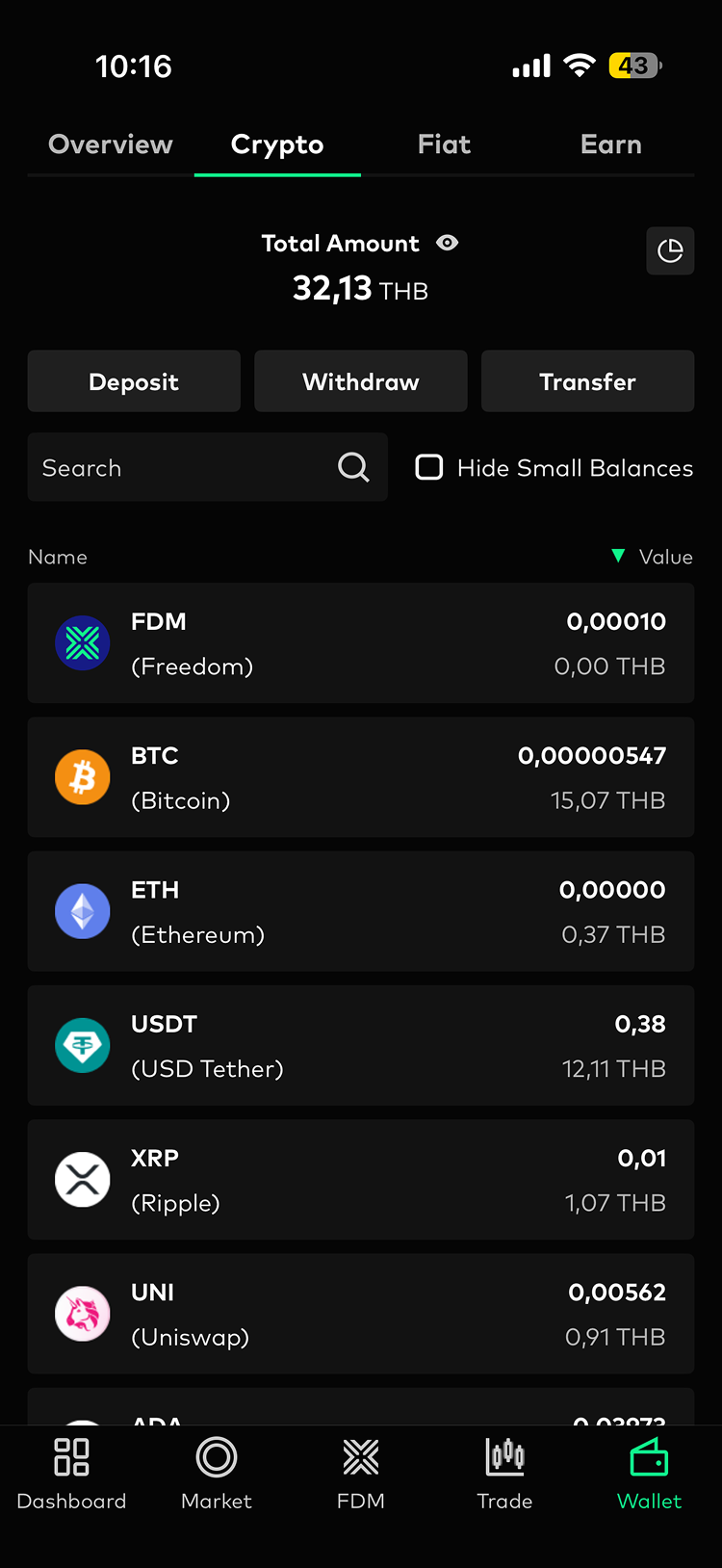
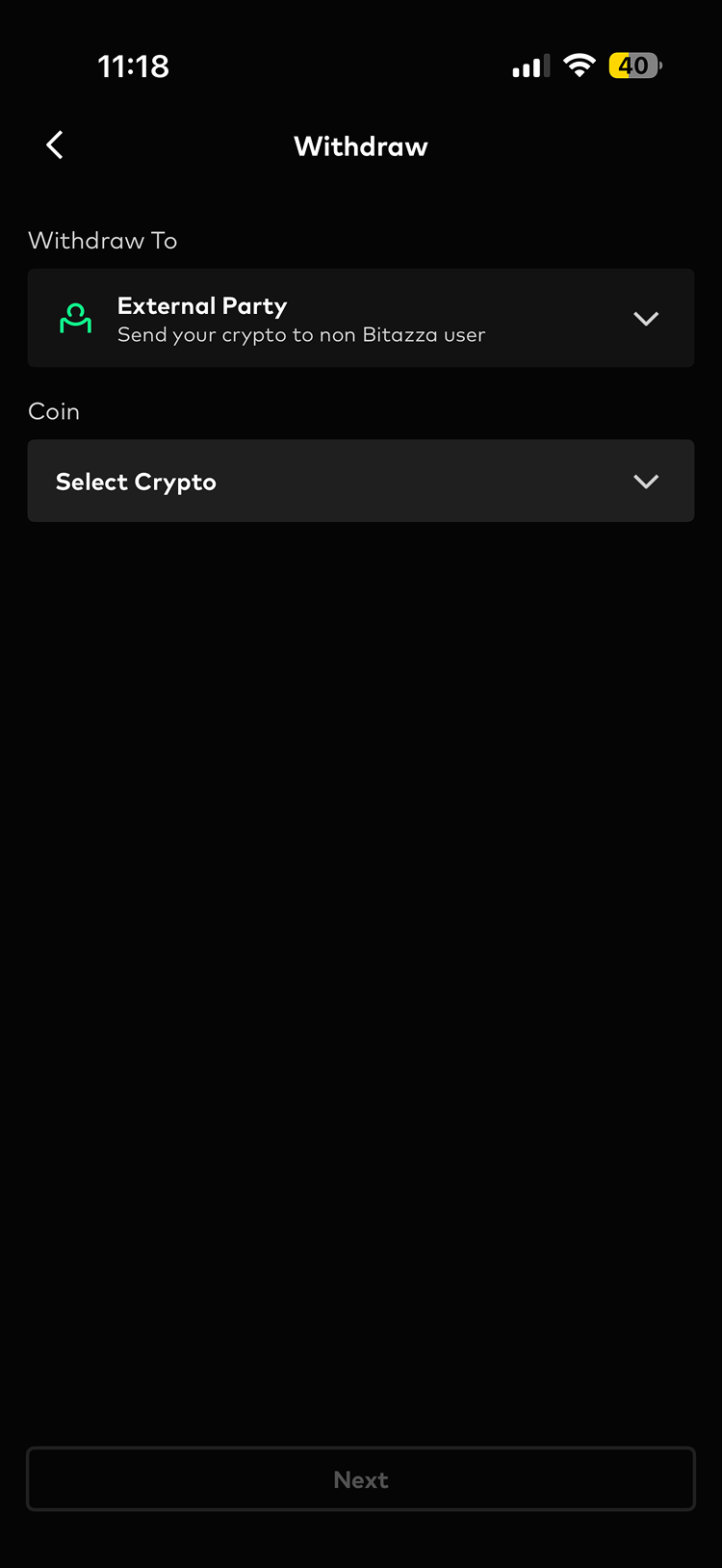
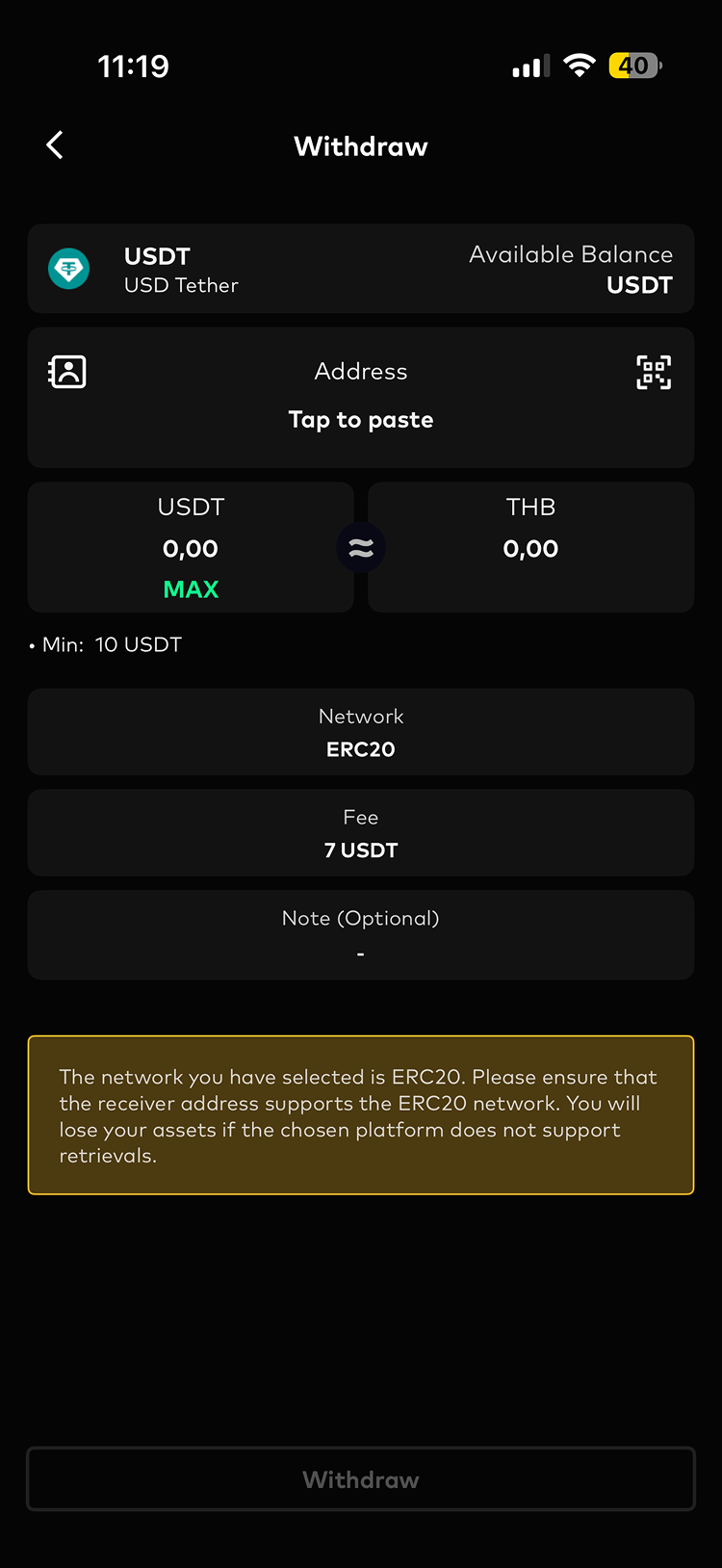
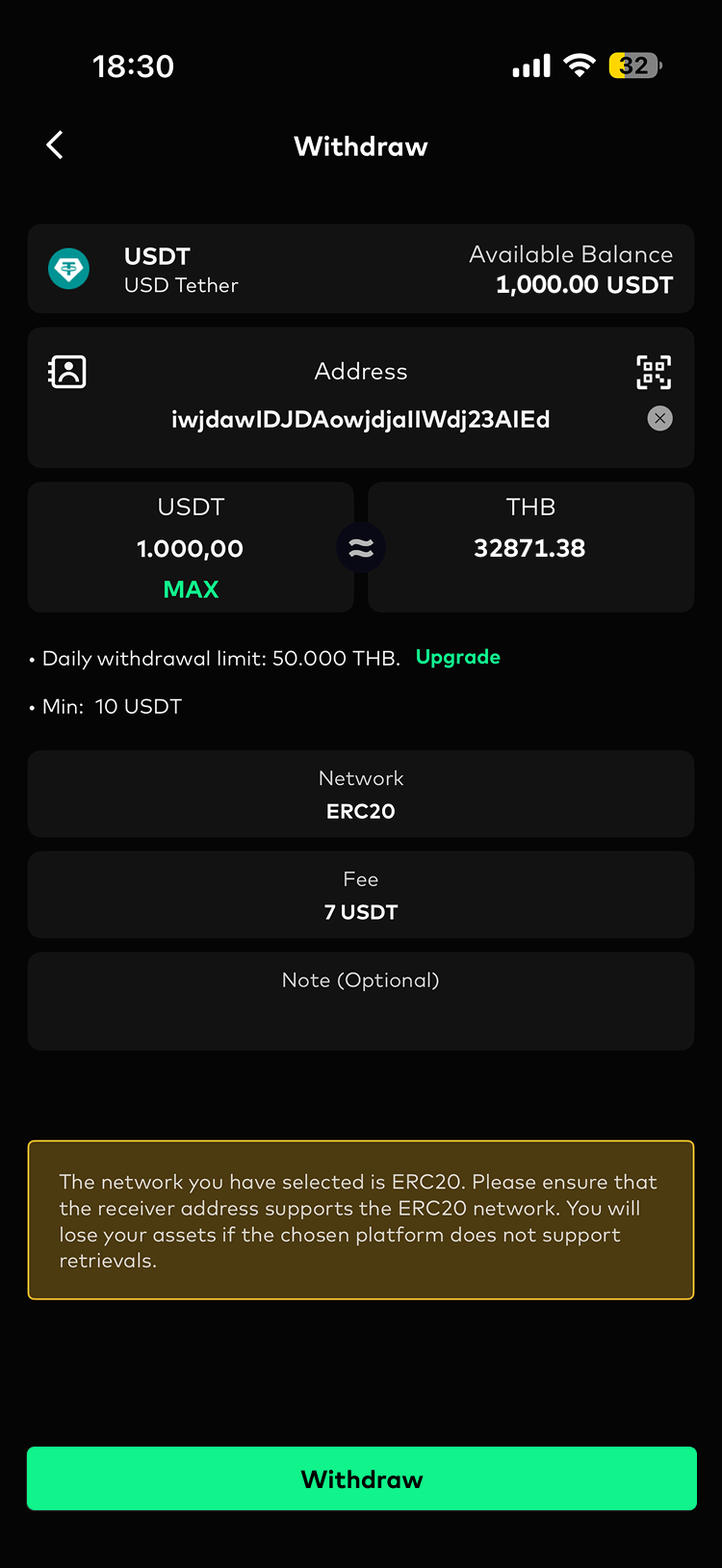
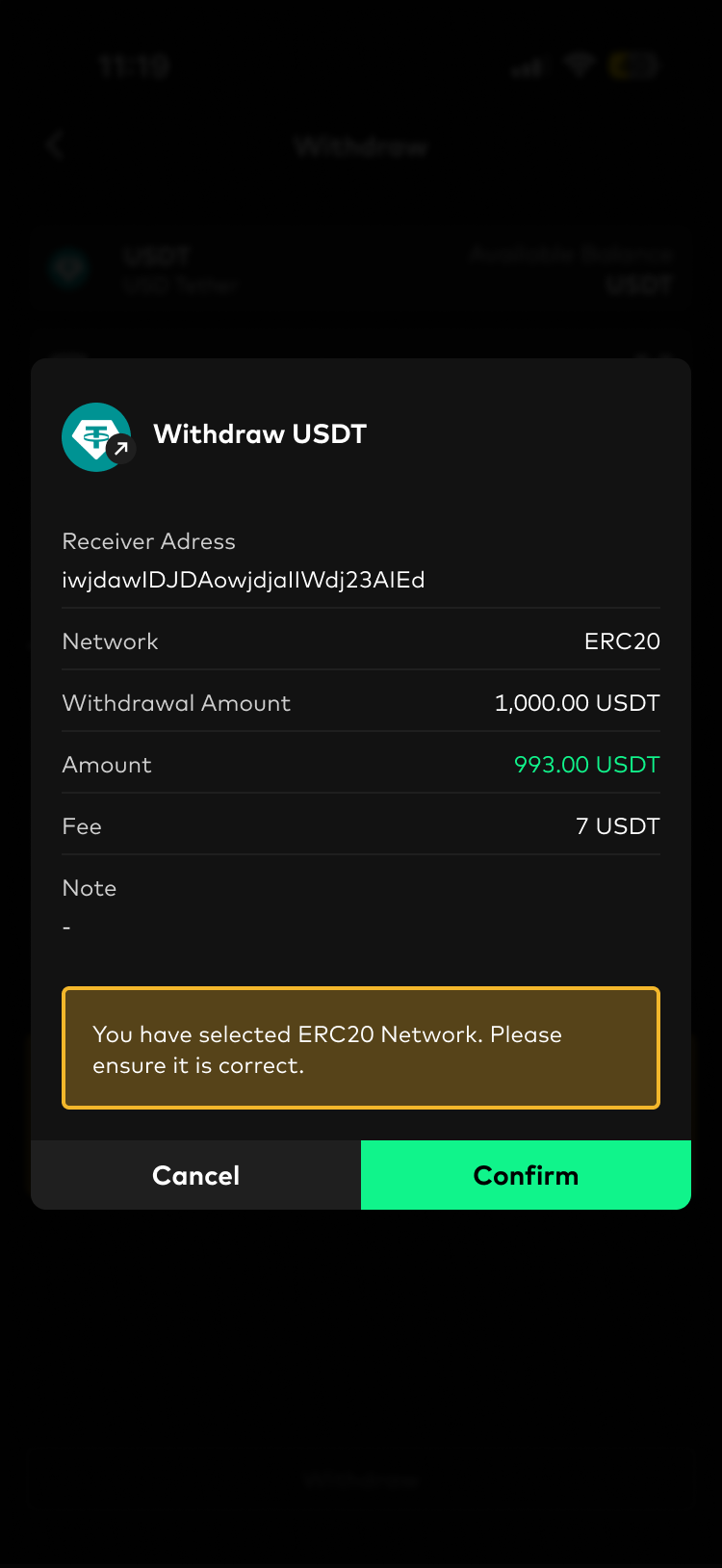
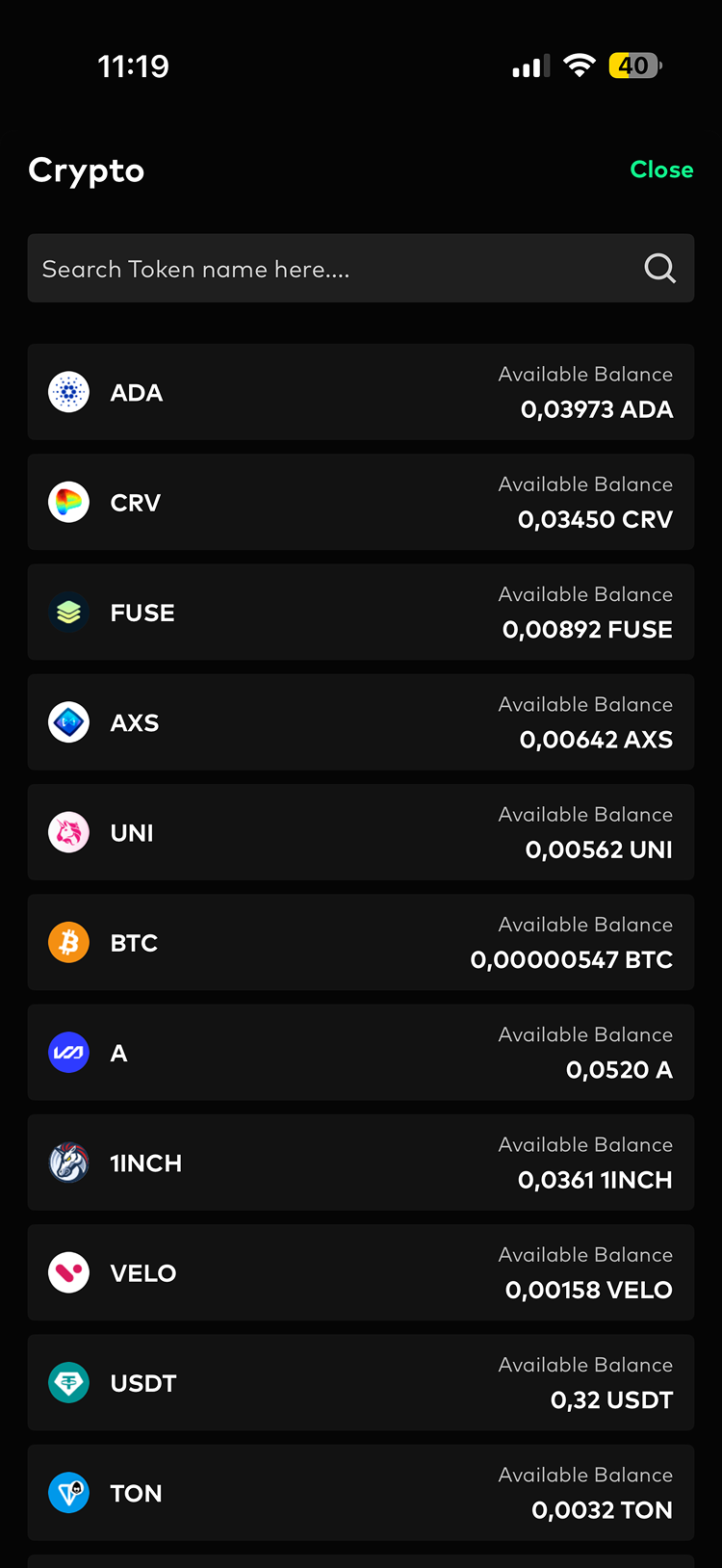
Based on the funnel from Google Analytics, we see 3 major drops-off
- 20.4 % drop off when click Withdraw menu button
- 42.1 % drop off when landing at Withdrawal flow
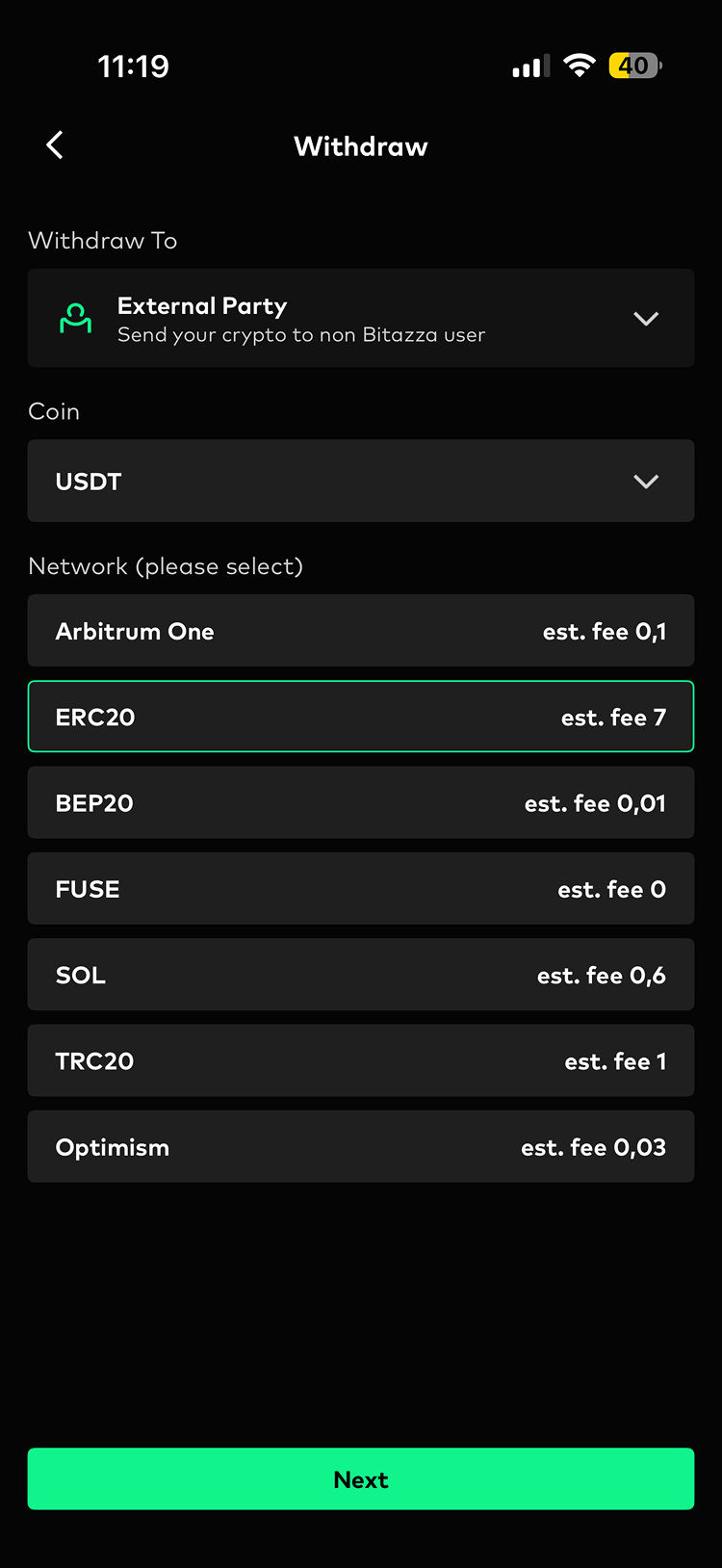
- 22.2% drop off at the final withdrawal form screen
For this article, I’ll focus on drop-off 2 and 3, since the root cause behind drop-off 1 had already been identified. Many users were unable to proceed because they had incomplete KYC and were hard gated at the beginning of the flow.

20.4 % drop off when click Withdraw menu button
42.1 % drop off when landing at Withdrawal flow
22.2% Drop off at the final withdrawal form screen




- First-time withdraw users vs Experienced users
My first assumption was that withdrawal experience level might be affecting the drop-off. Users who are withdrawing for the first time may feel less confident and more hesitant, and they might abandon the flow more often than users who had successfully withdrawn before. To validate this, I segmented the funnel into first-time withdrawal users and experienced users. Here is the setup:
Population
Users who landed on the withdrawal page, segmented into:
- First-time withdrawal users
- Users with at least one previously completed withdrawal
Starting point
Landed on the withdrawal page
Behavior
Dropped off during the withdrawal flow
Time period
Within the withdrawal session
Data was analyzed from the last 2 quarters of 2025.
The result can be something like this:
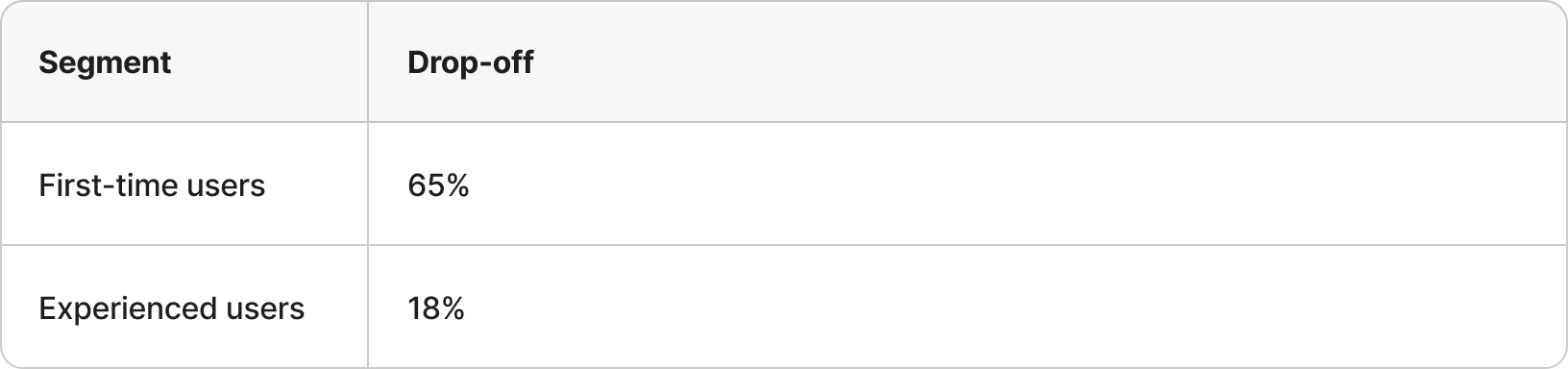
👉 The data suggests that first-time withdrawal users are significantly more likely to abandon the flow.
- Time spent on withdrawal flow before abandonment
Next, I wanted to understand whether first-time users were trying to understand the withdrawal process or just briefly landing on the flow and leaving right away. To validate this, I looked at how much time users spent in the withdrawal flow before dropping off.
Population
First-time withdrawal users who abandoned the withdrawal flow
Starting point
The moment users land on the withdrawal page
Behavior
Time spent before dropping off the withdrawal flow
Time period
Within the withdrawal session
Data was analyzed from the last 2 quarters of 2025.
The result can be something like this:
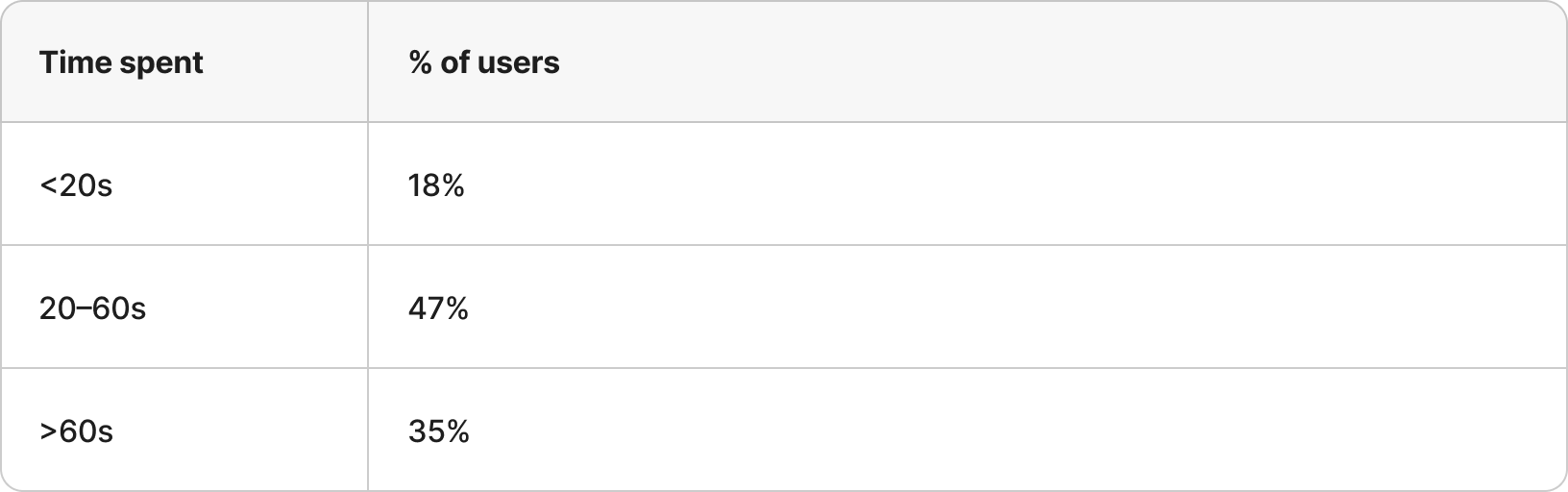
👉 Most first-time users were not dropping off instantly. Since the majority spent more than 20 seconds in the flow, this suggests users were likely trying to understand the withdrawal process, requirements, or information needed before completing the action.
- BTC vs USDT Withdrawal
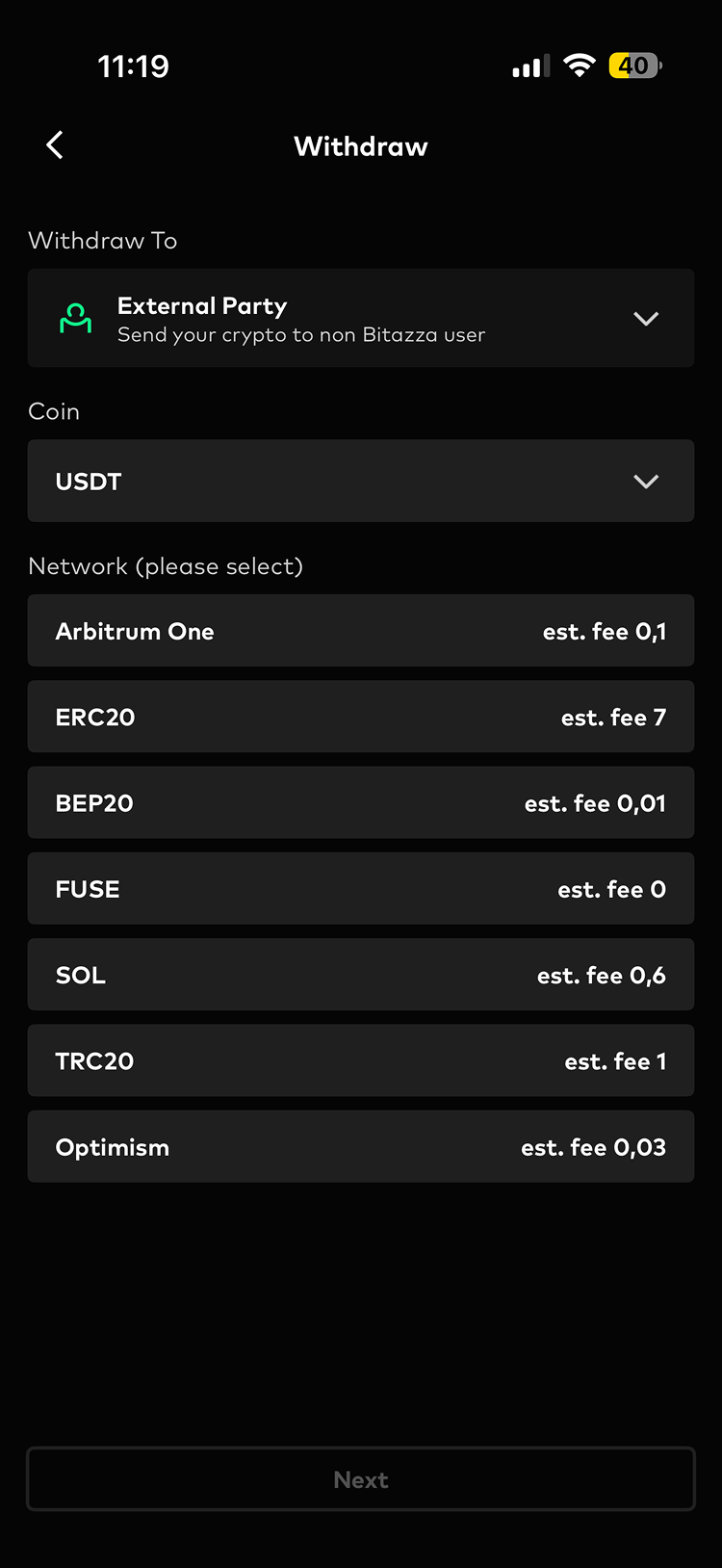
At this point, I started wondering whether the network selection step might be contributing to the problem. To explore this, I compared users withdrawing BTC versus USDT. BTC usually only has one network option, while USDT often requires users to choose one between multiple networks that match the deposit network. My goal is to see whether there might be a correlation between network complexity and drop-off behavior.
Population
First-time withdrawal users segmented by BTC and USDT selected
Starting point
The moment users land on the withdrawal page
Behavior
Dropped off during the withdrawal flow
Time period
Within the withdrawal session
Data was analyzed from the last 2 quarters of 2025.
The result can be something like this:
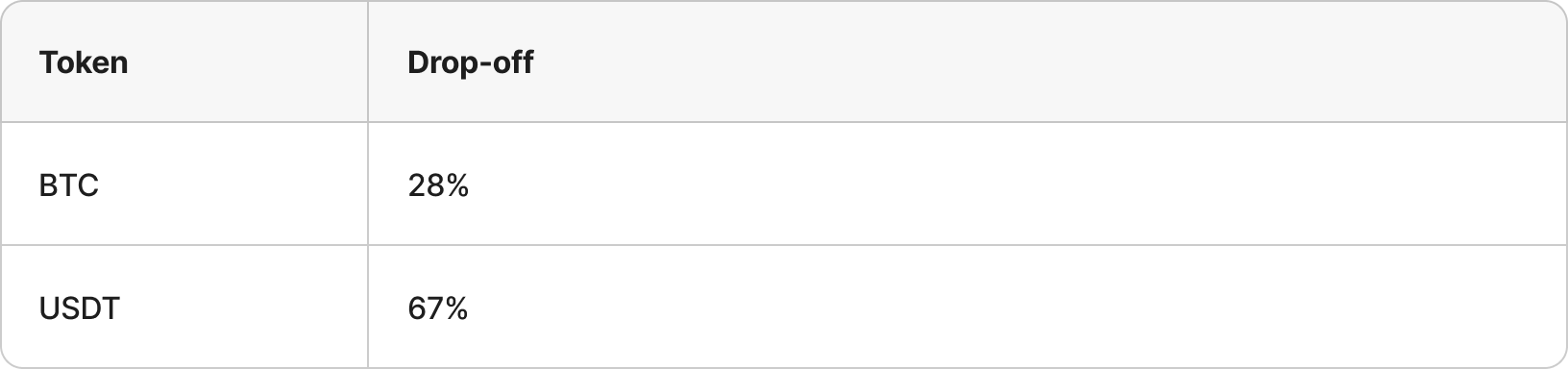
👉 We can see a clear correlation between network complexity and drop-off rate. First-time withdrawal users who had to choose between multiple networks, such as USDT users, were far more likely to abandon the flow than users withdrawing BTC, where the network decision is much simpler.
- Withdrawal amount
Last but not least, I want to see if the drop-off rate, and time spent before drop-off have any correlation with the withdrawal amount.
Population
First-time withdrawal users segmented by the withdrawal amount and in bins of <100, 100-1k, 1k-10k, and >10k USDT
Starting point
The moment users land on the withdrawal page
Behavior
Dropped off during the withdrawal flow / Time spent before dropping off
Time period
Within the withdrawal session
Data was analyzed from the last 2 quarters of 2025.
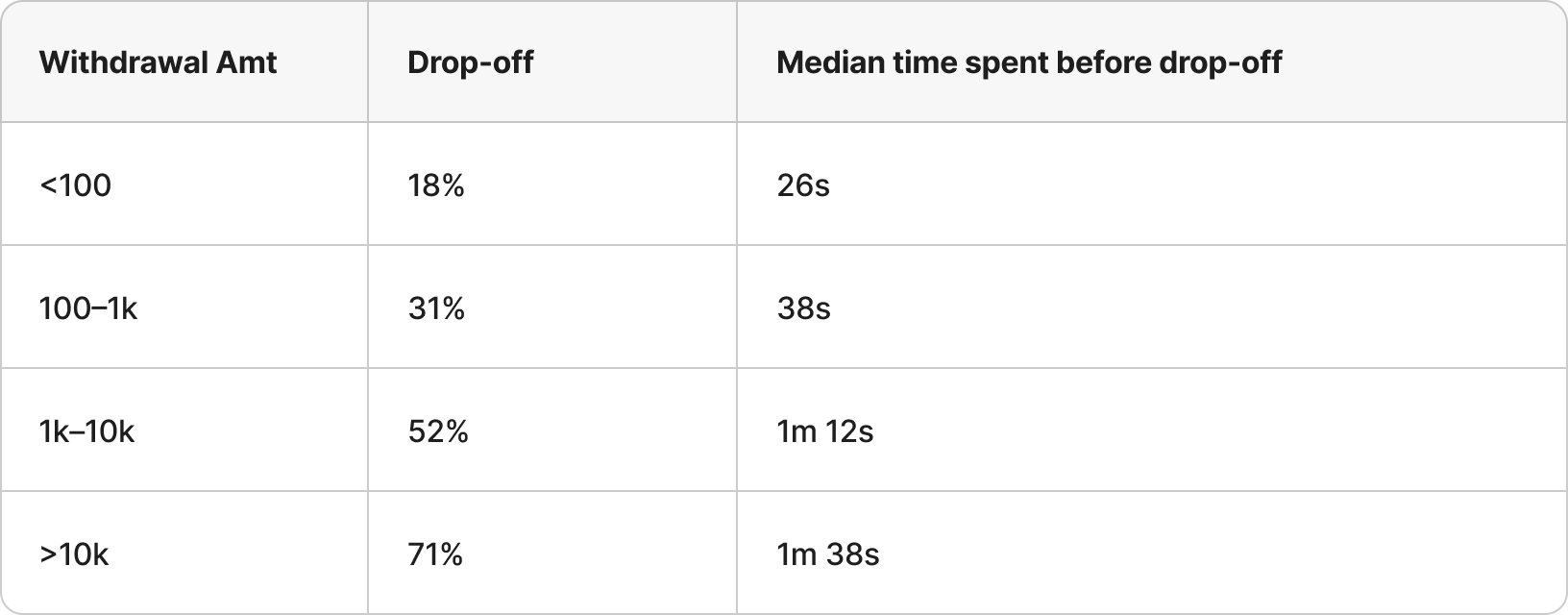
The result can be something like this:
👉 We can see a strong correlation between withdrawal amount, drop-off rate, and time spent before abandonment. As the withdrawal amount increases, users not only abandon the flow more often, but also spend significantly more time before leaving.
Forming a hypothesis
From performing segmentation for withdrawal funnel, I could make more grounded hypothesis for the drop-off. I now know that my focus is not fixing the flow for general user base because I can tell something much more interesting:
👉 Based on these findings, I hypothesize that first-time users withdrawing large amounts (>1,000 USDT) may experience higher uncertainty during the withdrawal process, especially when multiple network decisions are involved.
The combination of higher financial stakes and network complexity may increase caution, leading users to spend more time in the flow before eventually abandoning it. So I believe reducing uncertainty and helping users feel more confident during the withdrawal process could help lower drop-off rates.
Final thoughts
If you have read my Withdrawal case study, you may notice that the hypothesis there was still quite broad, and honestly, that is normal.
In many real product environments, we do not always have enough data to deeply investigate every problem. Assumptions will always be part of the design process. But segmentation helps us make better assumptions.
Instead of trying to improve a flow for all users in the same way, we can start seeing which groups of users are actually struggling, when they struggle, and what might be causing it. For me, that is the most valuable part of segmentation analysis. Not because it gives perfect answers, but because it helps product decisions become more focused and closer to real user behavior.
Let's work together
Feel free to reach out. I’d love to hear what you’re working on.

Work
About me
Notes
Gallery
Contact
Without segmentation, funnel data can be misleading.
A high drop-off rate does not always mean the same problem for every user. Segmentation helps reveal where the real friction actually comes from.
Posted on Jan 29, 2026
In many product teams, designers are often brought into problems after the solution has already been roughly defined. It could be a request for a new feature or redesigning a few screens to improve usability. Occasionally, PMs would mention that a certain step had poor conversion or high abandonment. But as designers, we were rarely involved deeply in the investigation behind those numbers.
Part of the reason is that designers are usually expected to focus on user experience, while metrics and behavioral analysis sit elsewhere. In some environments, especially outsourcing, access to data can also be limited. And sometimes, we just don’t realize there’s another layer worth exploring beyond the interface itself. As a result, the design process naturally leans toward intuition, UX principles, and competitive patterns aimed at improving the experience for the general user base rather than a specific group of users. In this article, I want to share one useful way to uncover deeper behavioral insights: looking at funnel problems through the lens of user segmentation. I don't think designers need to handle every layer of product investigation. But understanding how these analyses work helps us know how far a team can support the process. And in many cases, that leads to more grounded product decisions and better design outcomes.
What is segmentation and why does it matter?
Segmentation is simply the process of breaking users into smaller groups based on shared characteristics or behaviors. Instead of looking at funnel data as one average number, segmentation helps us see which specific groups of users are struggling, and which are not. This matters because the same drop-off rate can come from very different situations.
To show how segmentation can change the way we interpret funnel problems, I’ll use the withdrawal funnel in the Bitazza CEX app as an example.
Please note that the segmentation analysis in this article is a hypothetical exercise to demonstrate how I would approach the problem in an ideal scenario where deeper behavioral data is available. In reality, the original Bitazza withdrawal case study did not have this level of segmentation instrumentation.
Applying segmentation to a withdrawal funnel
Based on the funnel from Google Analytics, we see 3 major drops-off
- 20.4 % drop off when click Withdraw menu button
- 42.1 % drop off when landing at Withdrawal flow
- 22.2% drop off at the final withdrawal form screen
For this article, I’ll focus on drop-off 2 and 3, since the root cause behind drop-off 1 had already been identified. Many users were unable to proceed because they had incomplete KYC and were hard gated at the beginning of the flow.
20.4 % drop off when click Withdraw menu button
42.1 % drop off when landing at Withdrawal flow
22.2% Drop off at the final withdrawal form screen
- First-time withdraw users vs Experienced users
My first assumption was that withdrawal experience level might be affecting the drop-off. Users who are withdrawing for the first time may feel less confident and more hesitant, and they might abandon the flow more often than users who had successfully withdrawn before. To validate this, I segmented the funnel into first-time withdrawal users and experienced users. Here is the setup:
Population
Users who landed on the withdrawal page, segmented into:
- First-time withdrawal users
- Users with at least one previously completed withdrawal
Starting point
Landed on the withdrawal page
Behavior
Dropped off during the withdrawal flow
Time period
Within the withdrawal session
Data was analyzed from the last 2 quarters of 2025.
The result can be something like this:
👉 The data suggests that first-time withdrawal users are significantly more likely to abandon the flow.
- Time spent on withdrawal flow before abandonment
Next, I wanted to understand whether first-time users were trying to understand the withdrawal process or just briefly landing on the flow and leaving right away. To validate this, I looked at how much time users spent in the withdrawal flow before dropping off.
Population
First-time withdrawal users who abandoned the withdrawal flow
Starting point
The moment users land on the withdrawal page
Behavior
Time spent before dropping off the withdrawal flow
Time period
Within the withdrawal session
Data was analyzed from the last 2 quarters of 2025.
The result can be something like this:
👉 Most first-time users were not dropping off instantly. Since the majority spent more than 20 seconds in the flow, this suggests users were likely trying to understand the withdrawal process, requirements, or information needed before completing the action.
- BTC vs USDT Withdrawal
At this point, I started wondering whether the network selection step might be contributing to the problem. To explore this, I compared users withdrawing BTC versus USDT. BTC usually only has one network option, while USDT often requires users to choose one between multiple networks that match the deposit network. My goal is to see whether there might be a correlation between network complexity and drop-off behavior.
Population
First-time withdrawal users segmented by BTC and USDT selected
Starting point
The moment users land on the withdrawal page
Behavior
Dropped off during the withdrawal flow
Time period
Within the withdrawal session
Data was analyzed from the last 2 quarters of 2025.
The result can be something like this:
👉 We can see a clear correlation between network complexity and drop-off rate. First-time withdrawal users who had to choose between multiple networks, such as USDT users, were far more likely to abandon the flow than users withdrawing BTC, where the network decision is much simpler.
- Withdrawal amount
Last but not least, I want to see if the drop-off rate, and time spent before drop-off have any correlation with the withdrawal amount.
Population
First-time withdrawal users segmented by the withdrawal amount and in bins of <100, 100-1k, 1k-10k, and >10k USDT
Starting point
The moment users land on the withdrawal page
Behavior
Dropped off during the withdrawal flow / Time spent before dropping off
Time period
Within the withdrawal session
Data was analyzed from the last 2 quarters of 2025.
The result can be something like this:
👉 We can see a strong correlation between withdrawal amount, drop-off rate, and time spent before abandonment. As the withdrawal amount increases, users not only abandon the flow more often, but also spend significantly more time before leaving.
Forming a hypothesis
From performing segmentation for withdrawal funnel, I could make more grounded hypothesis for the drop-off. I now know that my focus is not fixing the flow for general user base because I can tell something much more interesting:
👉 Based on these findings, I hypothesize that first-time users withdrawing large amounts (>1,000 USDT) may experience higher uncertainty during the withdrawal process, especially when multiple network decisions are involved.
The combination of higher financial stakes and network complexity may increase caution, leading users to spend more time in the flow before eventually abandoning it. So I believe reducing uncertainty and helping users feel more confident during the withdrawal process could help lower drop-off rates.
Final thoughts
If you have read my Withdrawal case study, you may notice that the hypothesis there was still quite broad, and honestly, that is normal.
In many real product environments, we do not always have enough data to deeply investigate every problem. Assumptions will always be part of the design process. But segmentation helps us make better assumptions.
Instead of trying to improve a flow for all users in the same way, we can start seeing which groups of users are actually struggling, when they struggle, and what might be causing it. For me, that is the most valuable part of segmentation analysis. Not because it gives perfect answers, but because it helps product decisions become more focused and closer to real user behavior.
Let's work together
Feel free to reach out. I’d love to hear what you’re working on.
Work
About me
Notes
Gallery
Contact
Without segmentation, funnel data can be misleading.
A high drop-off rate does not always mean the same problem for every user. Segmentation helps reveal where the real friction actually comes from.
Posted on Jan 29, 2026
In many product teams, designers are often brought into problems after the solution has already been roughly defined. It could be a request for a new feature or redesigning a few screens to improve usability. Occasionally, PMs would mention that a certain step had poor conversion or high abandonment. But as designers, we were rarely involved deeply in the investigation behind those numbers.
Part of the reason is that designers are usually expected to focus on user experience, while metrics and behavioral analysis sit elsewhere. In some environments, especially outsourcing, access to data can also be limited. And sometimes, we just don’t realize there’s another layer worth exploring beyond the interface itself. As a result, the design process naturally leans toward intuition, UX principles, and competitive patterns aimed at improving the experience for the general user base rather than a specific group of users. In this article, I want to share one useful way to uncover deeper behavioral insights: looking at funnel problems through the lens of user segmentation. I don't think designers need to handle every layer of product investigation. But understanding how these analyses work helps us know how far a team can support the process. And in many cases, that leads to more grounded product decisions and better design outcomes.
What is segmentation and why does it matter?
Segmentation is simply the process of breaking users into smaller groups based on shared characteristics or behaviors. Instead of looking at funnel data as one average number, segmentation helps us see which specific groups of users are struggling, and which are not. This matters because the same drop-off rate can come from very different situations.
To show how segmentation can change the way we interpret funnel problems, I’ll use the withdrawal funnel in the Bitazza CEX app as an example.
Please note that the segmentation analysis in this article is a hypothetical exercise to demonstrate how I would approach the problem in an ideal scenario where deeper behavioral data is available. In reality, the original Bitazza withdrawal case study did not have this level of segmentation instrumentation.
Applying segmentation to a withdrawal funnel
Based on the funnel from Google Analytics, we see 3 major drops-off
- 20.4 % drop off when click Withdraw menu button
- 42.1 % drop off when landing at Withdrawal flow
- 22.2% drop off at the final withdrawal form screen
For this article, I’ll focus on drop-off 2 and 3, since the root cause behind drop-off 1 had already been identified. Many users were unable to proceed because they had incomplete KYC and were hard gated at the beginning of the flow.
20.4 % drop off when click Withdraw menu button
42.1 % drop off when landing at Withdrawal flow
22.2% Drop off at the final withdrawal form screen
- First-time withdraw users vs Experienced users
My first assumption was that withdrawal experience level might be affecting the drop-off. Users who are withdrawing for the first time may feel less confident and more hesitant, and they might abandon the flow more often than users who had successfully withdrawn before. To validate this, I segmented the funnel into first-time withdrawal users and experienced users. Here is the setup:
Population
Users who landed on the withdrawal page, segmented into:
- First-time withdrawal users
- Users with at least one previously completed withdrawal
Starting point
Landed on the withdrawal page
Behavior
Dropped off during the withdrawal flow
Time period
Within the withdrawal session
Data was analyzed from the last 2 quarters of 2025.
The result can be something like this:
👉 The data suggests that first-time withdrawal users are significantly more likely to abandon the flow.
- Time spent on withdrawal flow before abandonment
Next, I wanted to understand whether first-time users were trying to understand the withdrawal process or just briefly landing on the flow and leaving right away. To validate this, I looked at how much time users spent in the withdrawal flow before dropping off.
Population
First-time withdrawal users who abandoned the withdrawal flow
Starting point
The moment users land on the withdrawal page
Behavior
Time spent before dropping off the withdrawal flow
Time period
Within the withdrawal session
Data was analyzed from the last 2 quarters of 2025.
The result can be something like this:
👉 Most first-time users were not dropping off instantly. Since the majority spent more than 20 seconds in the flow, this suggests users were likely trying to understand the withdrawal process, requirements, or information needed before completing the action.
- BTC vs USDT Withdrawal
At this point, I started wondering whether the network selection step might be contributing to the problem. To explore this, I compared users withdrawing BTC versus USDT. BTC usually only has one network option, while USDT often requires users to choose one between multiple networks that match the deposit network. My goal is to see whether there might be a correlation between network complexity and drop-off behavior.
Population
First-time withdrawal users segmented by BTC and USDT selected
Starting point
The moment users land on the withdrawal page
Behavior
Dropped off during the withdrawal flow
Time period
Within the withdrawal session
Data was analyzed from the last 2 quarters of 2025.
The result can be something like this:
👉 We can see a clear correlation between network complexity and drop-off rate. First-time withdrawal users who had to choose between multiple networks, such as USDT users, were far more likely to abandon the flow than users withdrawing BTC, where the network decision is much simpler.
- Withdrawal amount
Last but not least, I want to see if the drop-off rate, and time spent before drop-off have any correlation with the withdrawal amount.
Population
First-time withdrawal users segmented by the withdrawal amount and in bins of <100, 100-1k, 1k-10k, and >10k USDT
Starting point
The moment users land on the withdrawal page
Behavior
Dropped off during the withdrawal flow / Time spent before dropping off
Time period
Within the withdrawal session
Data was analyzed from the last 2 quarters of 2025.
The result can be something like this:
👉 We can see a strong correlation between withdrawal amount, drop-off rate, and time spent before abandonment. As the withdrawal amount increases, users not only abandon the flow more often, but also spend significantly more time before leaving.
Forming a hypothesis
From performing segmentation for withdrawal funnel, I could make more grounded hypothesis for the drop-off. I now know that my focus is not fixing the flow for general user base because I can tell something much more interesting:
👉 Based on these findings, I hypothesize that first-time users withdrawing large amounts (>1,000 USDT) may experience higher uncertainty during the withdrawal process, especially when multiple network decisions are involved.
The combination of higher financial stakes and network complexity may increase caution, leading users to spend more time in the flow before eventually abandoning it. So I believe reducing uncertainty and helping users feel more confident during the withdrawal process could help lower drop-off rates.
Final thoughts
If you have read my Withdrawal case study, you may notice that the hypothesis there was still quite broad, and honestly, that is normal.
In many real product environments, we do not always have enough data to deeply investigate every problem. Assumptions will always be part of the design process. But segmentation helps us make better assumptions.
Instead of trying to improve a flow for all users in the same way, we can start seeing which groups of users are actually struggling, when they struggle, and what might be causing it. For me, that is the most valuable part of segmentation analysis. Not because it gives perfect answers, but because it helps product decisions become more focused and closer to real user behavior.
Let's work together
Feel free to reach out. I’d love to hear what you’re working on.